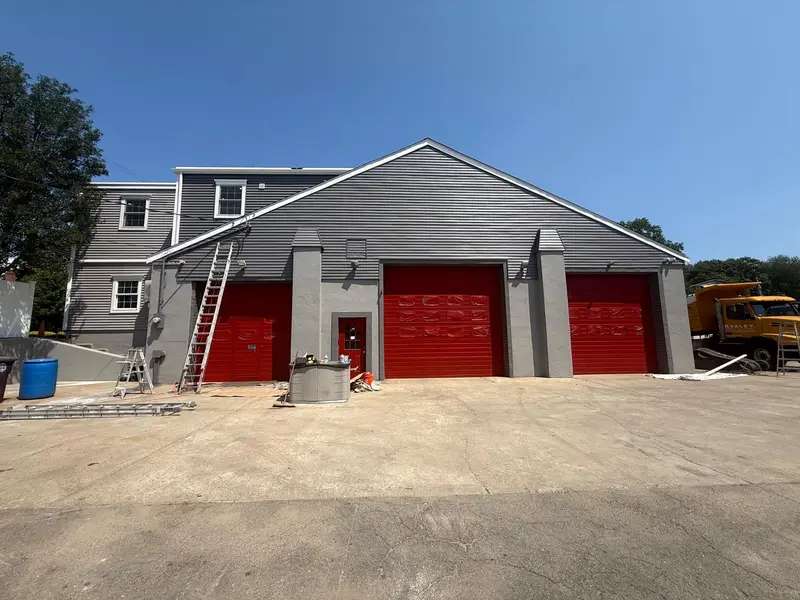
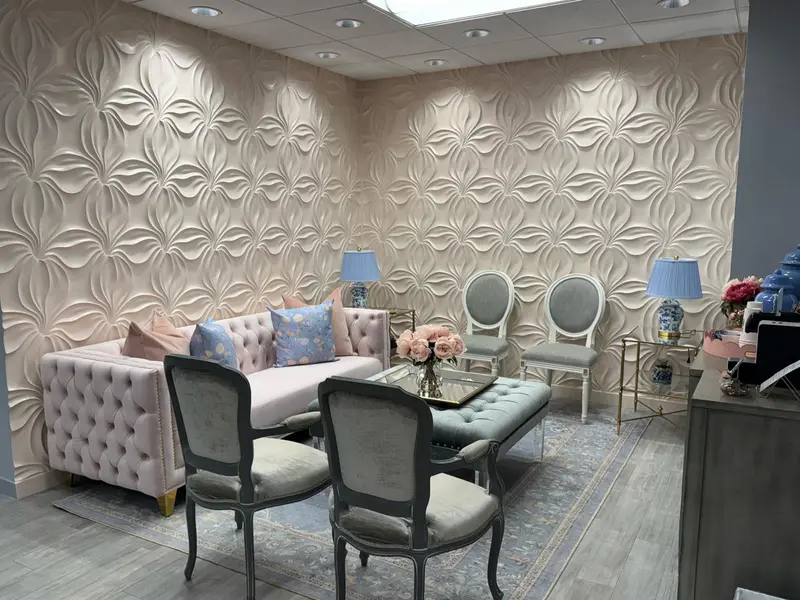
Condo painting, WeymouthPainting units and common areas in Weymouth condominiums
Buildings of five or more units hold 32.7% of the town's housing, and 13.9% of all units are in buildings of 50 or more. A good part of that arrived in the 1980s: the town master plan counts 1,599 multi-family units added that decade, while condominiums rose from just over 1% of the housing stock to more than 10%. Complexes from that period are now roughly 35 to 45 years old.
Who is responsible for what
The master deed and bylaws draw the line. Walls inside a unit are commonly the owner's to paint, while hallways, lobbies, stairwells and exterior siding are common areas the association maintains. Unit entry doors, balconies and decks sit in between and can be limited common elements; the documents say which. Reading them first avoids painting a hallway-facing door a color the board later asks you to change.
Inside a unit
An owner repainting a unit deals with the usual wall and trim questions plus building logistics: reserving the elevator, protecting common floors, parking for a work vehicle and quiet hours. Association rules may require a certificate of insurance (COI) from any contractor before work begins, sometimes naming the association or its management company as holder. AJ Painting is licensed and insured, and the manager can request a COI ahead of the start date.
Units in 1980s buildings are likely drywall, where the main prep is filling anchor holes from shelves and pictures and spot priming the patches so they don't flash through. Older buildings are a different case. The master plan notes that many former industrial buildings in town have been converted to other businesses and residential uses, and 70.8% of all housing units here were built before 1980. A unit in a pre-1978 building may carry lead paint on original trim and windows, which brings in lead-safe rules for renovation work; see the lead-safe painting page. For wall and trim prep in more detail, see interior painting.
Common areas for associations
Hallways and stairwells take scuffs from move-ins and deliveries, so the wall finish there should be scrubbable, eggshell or satin rather than flat, with semi-gloss on handrails, doors and trim. In an occupied building the work can be staged floor by floor or wing by wing so residents keep access, with notices posted ahead and wet areas marked.
A board comparing proposals can use a short checklist:
- Scope: which floors, stairwells, doors and trim are included
- Color and sheen schedule approved by the board
- Resident notice dates and permitted work hours
- COI naming the association and management company
- Lead test results or a lead-safe plan for pre-1978 buildings
- Labeled touch-up paint left for the association
Renters, turnover and exteriors
Renters occupy 32.6% of occupied homes in town. Where an owner rents a condo unit out, turnover repaints go faster when walls stay in one standard color and sheen, and keeping a record of the product and color code makes touch-ups match.
For siding, trim and decks on the building exterior, see exterior painting. For village-by-village notes, see South Weymouth and Weymouth Landing.
Weymouth at a glance
| Units in buildings of 5 or more | 32.7% of housing units (8,733 of 26,733) (U.S. Census ACS 2020–2024 5-year, table B25024) |
| Units in buildings of 50 or more | 13.9% of housing units (3,726) (U.S. Census ACS 2020–2024 5-year, table B25024) |
| Condominium growth in the 1980s | From just over 1% to more than 10% of housing units; 1,599 multi-family units added that decade (Weymouth Town Master Plan, Part 2 Housing (2001), p. 24–25) |
| Renter-occupied homes | 32.6% of occupied units (8,388 of 25,759) (U.S. Census ACS 2020–2024 5-year, table B25003) |
| Housing units built before 1980 | 70.8% (18,936 units) (U.S. Census ACS 2020–2024 5-year, table B25034) |