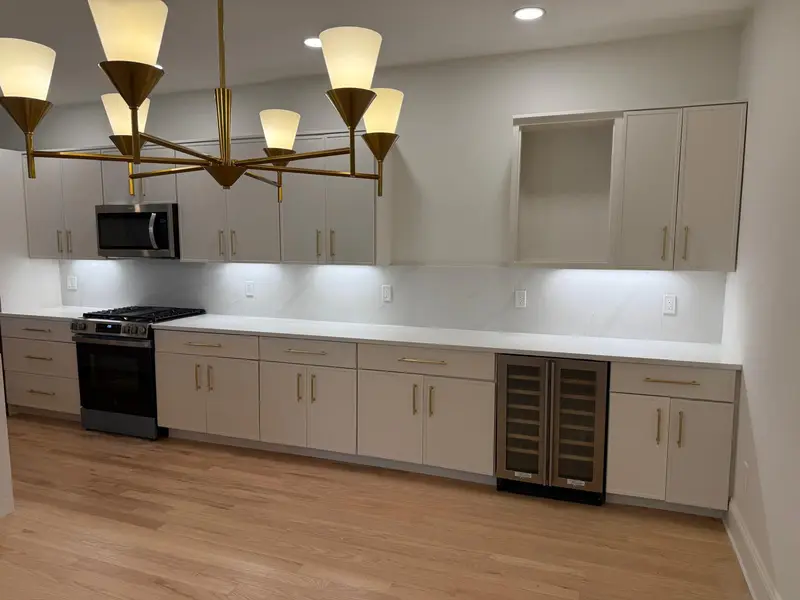
Cabinet painting, Weston MARefinishing Weston kitchen cabinets instead of tearing them out
When cabinet boxes are solid and the layout works, a new finish can change a kitchen without the demolition, plumbing and countertop work that replacement brings. The decision turns on construction, not color. Doors of solid wood or MDF with sound joints and hinges that still hold are good candidates; boxes with swollen particleboard under the sink or delaminating veneer are not, and no coating will fix them.
The town's housing stock is overwhelmingly single-family: about 88% of units are detached houses. In a detached house there is no condo board approving materials, so the refinish-or-replace call rests with the owner, and the choice can be made on the condition of the boxes alone.
Reading the cabinets you already have
Houses here span from Colonial-period central-chimney houses to builds of the last decade, with a 1964 median construction year, so the cabinetry in them could be almost anything: a remodel's maple shaker doors in an old house, original site-built cabinets in a midcentury one, or factory boxes with thermofoil or catalyzed lacquer in a newer home. Each takes a different approach:
- Oak: open grain shows through paint unless it is filled with a grain filler or several coats of high-build primer
- Maple and birch: smooth and tight-grained, they paint cleanly once the factory topcoat is scuffed
- MDF doors: stable and smooth, but raw edges need sealing so they do not swell
- Previously painted cabinets: old coats are tested for adhesion and, in a pre-1978 kitchen, for lead before sanding
- Thermofoil: a vinyl film that peels with heat and usually should not be painted over
Why prep decides how long the finish lasts
Kitchen cabinets collect cooking grease, hand oils and cleaning residue that block adhesion. The sequence that holds up is a degreasing wash, a rinse, a scuff sand, dust removal, a bonding primer suited to the existing surface, and two coats of a cabinet-grade enamel, either waterborne alkyd, urethane-modified acrylic, or a catalyzed product. Doors and drawer fronts come off, are labeled by position, and are finished flat so they cure without runs; face frames are painted in place. The kitchen cabinet painting process shows those steps in order.
Lead and older kitchens
If cabinets were painted while the house was young and the home dates from before 1978, the oldest layer could contain lead. About two-thirds of the town's housing was built in 1979 or earlier. Sanding a set of painted cabinets easily disturbs more than 6 square feet, which triggers EPA's lead-safe work rules: containment around the kitchen, HEPA dust collection and a cleaning check before the room is reopened. The lead-safe painting page explains the requirements.
Living with the kitchen during the job
Cabinet refinishing takes several days because each coat must dry and harden before the next one, and enamels keep curing for weeks after they feel dry. Plan on soft-closing doors gently and wiping spills promptly for the first month. The sink and refrigerator can usually stay in use while doors are off. If you are weighing refinishing against new boxes, refinish vs. replace lays out the trade-offs, and walls and trim elsewhere in the house are covered on the interior painting page.
Weston at a glance