
Location not listed
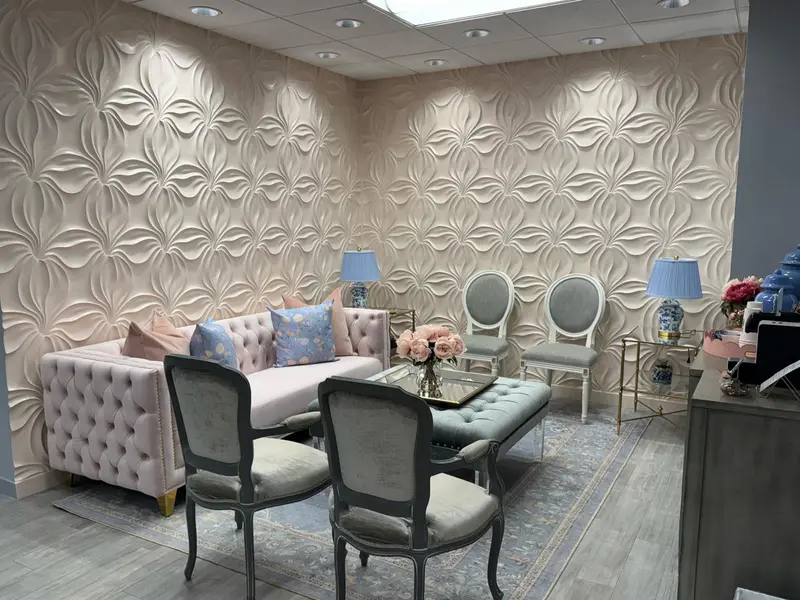
Dental Office Waiting Room
A dental practice's waiting room and reception area, finished in soft gray with applied panel molding, next to a sculpted floral feature wall.
See the photos →Unit interiors, common hallways, stairwells and exteriors for Medford condo owners, trustees and property managers, with insurance paperwork ready before day one.
The Census counts 25,587 housing units in the city, and a large share sit in shared buildings: 27.1% in two-unit buildings, 7.2% in three- or four-unit buildings and 25.0% in buildings of five or more. Buildings of fifty or more units alone hold 17.0%. The Census doesn't separate condominiums from rentals, so those numbers describe building size, not ownership.
For a painting project, building size predicts most of the logistics. A two-unit association decides over the kitchen table; a large building works through a board, a manager and a vendor packet.
When a two-family has been converted to condos, the two owners usually are the association. Exterior paint, the shared front hall and the back stair are typically common or limited common elements, and the master deed sets how costs split. An estimate broken out by area lets owners see what each part costs and divide it by their percentage interest without arguing over a single lump sum.
If one owner wants their own porch or entry door painted a different color, check the bylaws first. Bylaws may require consent for changes visible from outside, and getting that in writing before the work avoids a dispute.
If the building has a manager, expect a request for a certificate of insurance naming the association and the management company. AJ Painting is licensed and insured; send the certificate holder name and any additional-insured wording the manager requires with the bid request. The board or manager may set work hours, elevator protection, parking for work vehicles, and where materials can be kept overnight; sending those rules with the bid request saves a round of questions.
Phasing common-area work keeps a clear path for residents:
Three in four local housing units (75.9%) were built before 1980, so a condo building here may well predate the 1978 lead-paint cutoff. In a common hallway, sanding stair rails, hall doors or window trim makes dust in the one space every resident walks through. EPA rules require certified, lead-safe practices for that: plastic containment, misting, HEPA vacuums and a cleaning check before the area reopens. See the lead-safe painting page for details, including when children under six live in the building.
Repainting common areas or the exterior is not demolition, so the city's demolition delay ordinance for buildings 75 years and older is not triggered by paint alone. If the building sits in a local historic district, exterior work needs a Historic District Commission certificate; the exterior painting page explains what the city does and does not review.
Unit interiors are usually the owner's responsibility, within building rules on hours and access. Renters occupy 45.9% of occupied homes here; if your unit is one of them, the gap between leases is the simplest time to repaint. Plaster and trim prep is covered on the interior painting page. Associations in Wellington, Medford Square and Glenwood can arrange a walkthrough with the board or manager.
| Units in buildings of 5 or more units | 25.0% (17.0% in buildings of 50+) (U.S. Census ACS 2020–2024 5-year, table B25024) |
| Units in two-unit buildings | 27.1% (U.S. Census ACS 2020–2024 5-year, table B25024) |
| Renter-occupied homes | 45.9% of occupied units (U.S. Census ACS 2020–2024 5-year, table B25003) |
| Housing built before 1980 | 75.9% of units (U.S. Census ACS 2020–2024 5-year, table B25034) |
These jobs were in other towns, not in Medford. Each card names the town where the work was done.
A dental practice's waiting room and reception area, finished in soft gray with applied panel molding, next to a sculpted floral feature wall.
See the photos →By the percentage interests in your master deed, unless your bylaws say otherwise. Ask for an estimate itemized by area so you can see what the shared portions cost, and put the decision in writing before work is scheduled.
Usually a certificate of insurance naming the association and the manager, with any additional-insured wording they require. Send the exact names and the building's contractor rules with the bid request so the paperwork is settled before the first work day.
Stairwells can be painted in sections, with one side of each flight kept usable and wet areas marked. Where a building has two stairwells, finishing one before starting the other keeps a route open. Posting notice of each phase ahead of time lets residents plan.
Yes, if the work disturbs old paint. Pre-1978 buildings need certified lead-safe practices: containment, wet prep, HEPA cleanup and a final cleaning check, so dust doesn't spread into units or common areas.
Inside your unit, generally yes, as long as you follow building rules on hours, elevator use and parking. Anything on the exterior or in the hallway, including your entry door's outside face, is usually the association's decision.
AJ doesn't publish prices. Start from the Massachusetts market ranges in the painting cost guide, then request a bid split by corridor, stairwell and elevation so owners can vote on phases over more than one year.
Free on-site visit and an itemized written estimate for owners and boards. Licensed and insured. Call AJ Painting at (508) 258-4325, Monday–Saturday, 7AM–6PM.
5.0 on Google · 35 verified reviews · Licensed & insured · Written quote in 48h