
Location not listed
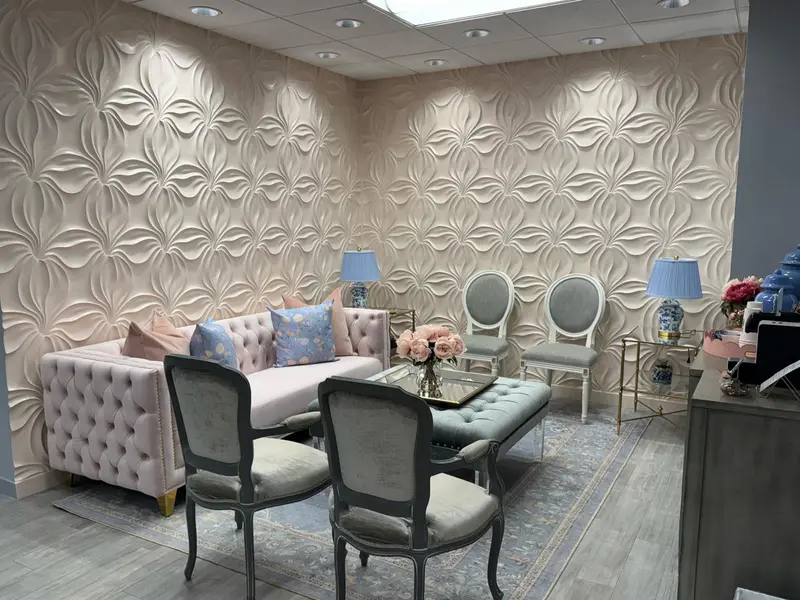
Dental Office Waiting Room
A dental practice's waiting room and reception area, finished in soft gray with applied panel molding, next to a sculpted floral feature wall.
See the photos →Painting for condo owners inside their units and for associations that need hallways, stairwells, lobbies and exteriors refreshed with minimal disruption to residents.
More than half of all housing units here are in buildings with two or more units: 23.0% in two- to four-unit buildings and 31.1% in buildings of five or more, including 9.1% in buildings of 50 or more. Some of those buildings are rental apartments, some are condominiums, and some are owner-occupied two-families. For painting, the difference matters because a condo splits responsibility between the owner and the association.
Under Massachusetts condominium law, Chapter 183A, the master deed defines what is a unit and what is a common area, and common expenses are shared by each owner's percentage interest. Who pays for a given wall, door or porch comes back to that document.
Walls, ceilings and interior trim inside a unit are generally the owner's to paint, though the master deed and bylaws may say otherwise for items like the entry door's hallway face. The building's rules still shape the job: approved work hours, elevator padding and reservations, parking for a work van, and where drop cloths and ladders can sit.
For a unit in a newer complex, the work is mostly drywall touch-up and a repaint over builder-grade flat paint. For a unit carved from an older house, plaster repair and lead-safe prep can be part of the scope. Either way, the interior painting page covers the details, and cabinet painting can be added for a unit kitchen.
Common areas take more wear than any room in a unit: furniture moved in and out, bikes, strollers and wet boots. A hard, scrubbable finish on walls and a durable enamel on doors, handrails and baseboards hold up better than flat wall paint.
Good common-area work is planned around residents. Notices go up in advance, one stairwell or floor is done at a time so there is always a clear path out, and wet paint is marked. Low-odor waterborne coatings help in corridors where windows are few. Trustees can find more on product choice in low-VOC vs. zero-VOC paint.
Over two-thirds of the city's housing units (69.0%) were built in 1979 or earlier. In pre-1978 housing, apartments included, the federal lead-safe rule covers paid work that disturbs more than six square feet of disturbed paint per room inside, or more than 20 square feet outside, triggers containment and cleanup requirements. Stairwell balusters, window sills and entry doors in an old building are typical places where that comes up.
Massachusetts runs its own version of the rule. Our lead-safe painting page explains what an association should expect.
The census counts 2,921 units in two-unit buildings. When a two-family has been split into two condos, the exterior is usually a common area (the master deed confirms it), so the two owners act as the association: they agree on colors, the budget and the timing together. A two-unit association with no manager should still keep its decision in writing.
The South Side page looks at one census tract where most units sit in two- to four-unit buildings. For larger complexes, the Bleachery page describes a tract where 27.6% of units are in 50-plus-unit buildings and 19.4% were built between 2010 and 2019.
| Units in buildings of 5+ units | 31.1% (8,310) (U.S. Census ACS 2020–2024 5-year, table B25024) |
| Units in buildings of 50+ units | 9.1% (2,445) (U.S. Census ACS 2020–2024 5-year, table B25024) |
| Owner-occupied units in 2–4 unit buildings | 1,695 (13.4% of owner-occupied units; includes condo owners and owners of whole multi-families) (U.S. Census ACS 2020–2024 5-year, table B25032) |
| Massachusetts condominium law | M.G.L. c. 183A: master deed defines units and common areas (Massachusetts General Laws, Chapter 183A) |
These jobs were in other towns, not in Waltham. Each card names the town where the work was done.
A dental practice's waiting room and reception area, finished in soft gray with applied panel molding, next to a sculpted floral feature wall.
See the photos →Interior walls are usually the owner's, but read the bylaws and rules first. A building may require notice for contractors, limit work hours, or require proof of insurance before anyone enters the building.
The board or trustees, acting for the association. Because common-area painting is a common expense under Chapter 183A, owners may also get a say through the budget, depending on the bylaws.
Treat it as an association decision: agree on scope, colors and cost split in writing, using the percentage interests in your master deed. Painting the whole building in one season gives the best chance that both sides match.
Square footage of walls, number of doors and railings, ceiling heights in stairwells, and lead-safe work in older buildings drive the cost. The painting cost guide for Massachusetts explains these factors using market data, and AJ Painting provides a written estimate after walking the building.
Usually not. Common-area work can be phased so stairs and exits stay usable, low-odor paints suit enclosed corridors, and wet areas should be marked until dry.
Yes. AJ Painting is licensed and insured, and the association or manager can ask for a certificate of insurance before the start date.
AJ Painting will walk the unit or building with you or the board and provide a written estimate. Call (508) 258-4325, Monday to Saturday.
5.0 on Google · 35 verified reviews · Licensed & insured · Written quote in 48h